


Following the confirmation of MPOX cases in Ovia South West Local Government Area, the Edo State Primary Health Care Development Agency, in collaboration with the Edo State Ministry of Health, the World Health Organization, and the Ovia South West LGA Health Team, paid an advocacy visit to the Iyase of Udo His Royal Highness Chief Patrick Igbinedu on Monday, 27 July 2026.
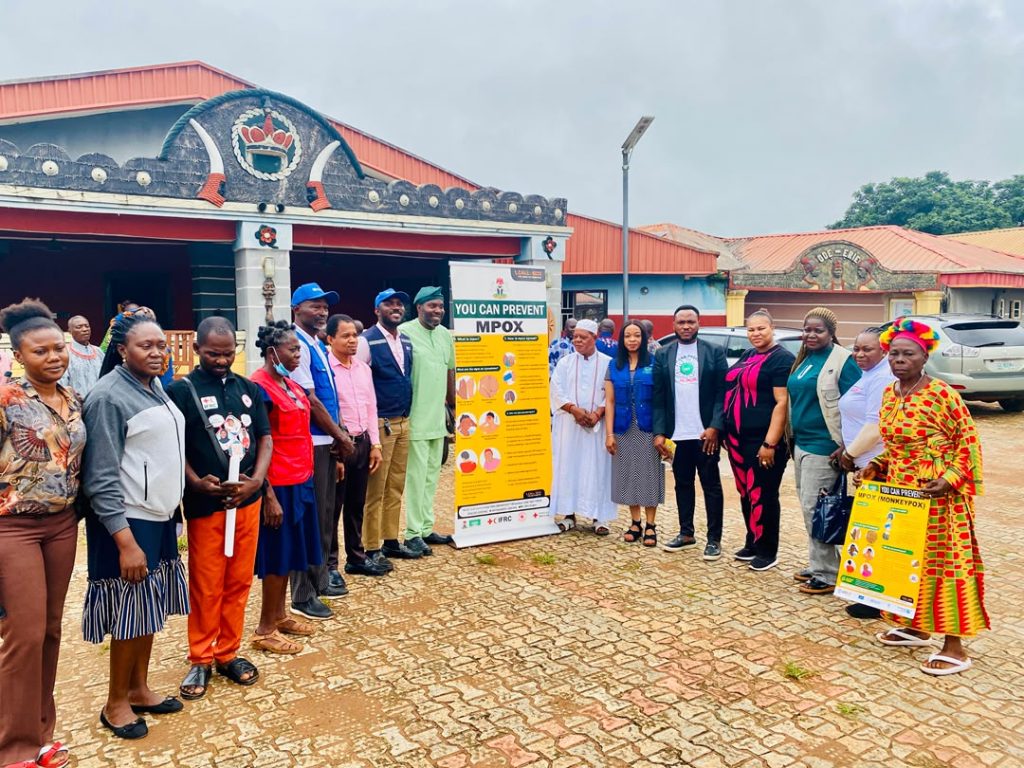
According to reports from EDSPHCDA Ovia South West Assistant Health Education Officer, Mrs Ebizugbe Osariemen Joy, the visit was organized to seek the support of the traditional institution in controlling the spread of MPOX and strengthening community awareness, surveillance, and early reporting of suspected cases.

The meeting was attended by the Executive Secretary EDSPHCDA, Dr. Coulson Oahimire Osoikhia, represented by the Director Disease Control and Immunization EDSPHCDA, Dr. Efeomon Eseigbe; EDSPHCDA Disease Surveillance and Notification Officer Mr Frederick Edokpolor, EDSPHCDA Health Educator Mrs Irene Uabor; representatives of the Edo State Ministry of Health; representative of the World Health Organization; members of the Ovia South West LGA Health Team led by the Medical Officer for Health Ovia South West Dr. Bello, Iyase of Udo, His Royal Highness Chief Patrick Igbinedu; Community Health Volunteers, Members of the Traditional Council, Palace representatives, and other Community Stakeholders.

During the meeting, Dr. Eseigbe expressed appreciation to the Iyase and members of the Traditional Council for receiving the delegation despite their busy schedules. He explained the current MPOX situation within the local government and stressed the need for a united response involving the government, health workers, traditional rulers, community leaders, and residents to combat it.
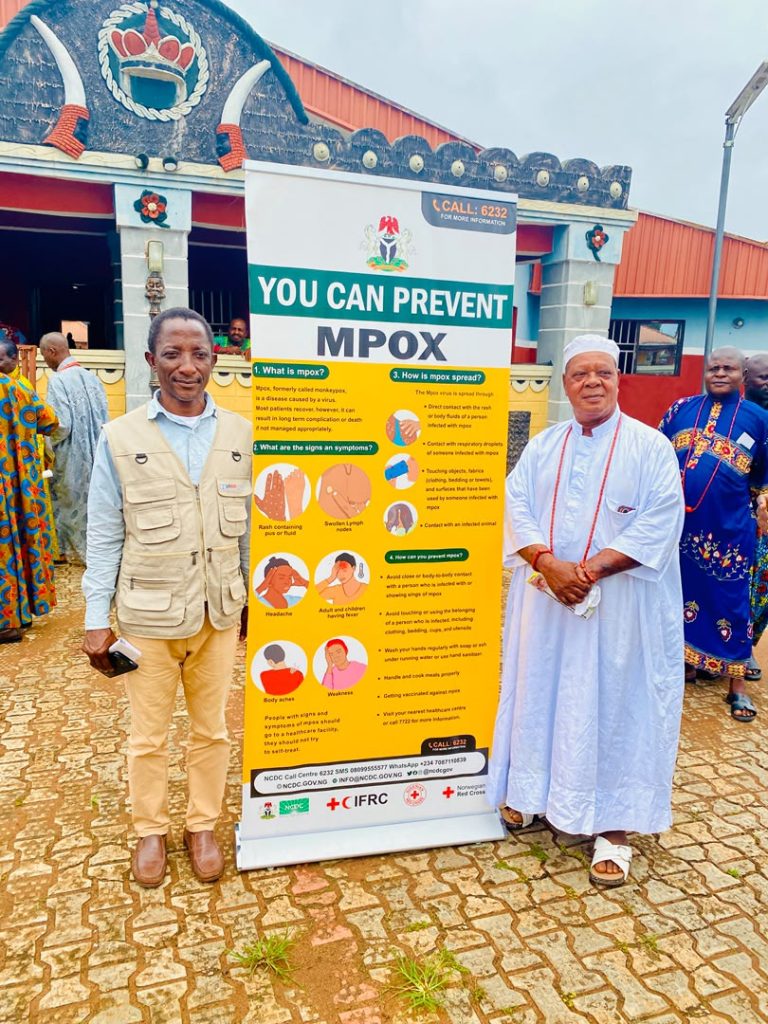
The health team educated the traditional leaders on the signs and symptoms of MPOX, how the disease spreads, and the measures residents can take to protect themselves. It was said that MPOX, previously known as monkeypox, is a viral illness caused by the monkeypox virus, a species of the genus Orthopoxvirus. Common symptoms of mpox include a skin rash or mucosal lesions that can last 2–4 weeks, accompanied by fever, headache, muscle aches, back pain, low energy, and swollen lymph nodes. MPOX can be transmitted through close contact with someone with MPOX, through contaminated materials, or through infected animals. During pregnancy, the virus may be passed to the fetus or to the newborn during or after birth. Community members were advised to wash their hands regularly, avoid close contact with infected persons, maintain a clean environment, and report anyone showing suspected symptoms to the nearest health facility.
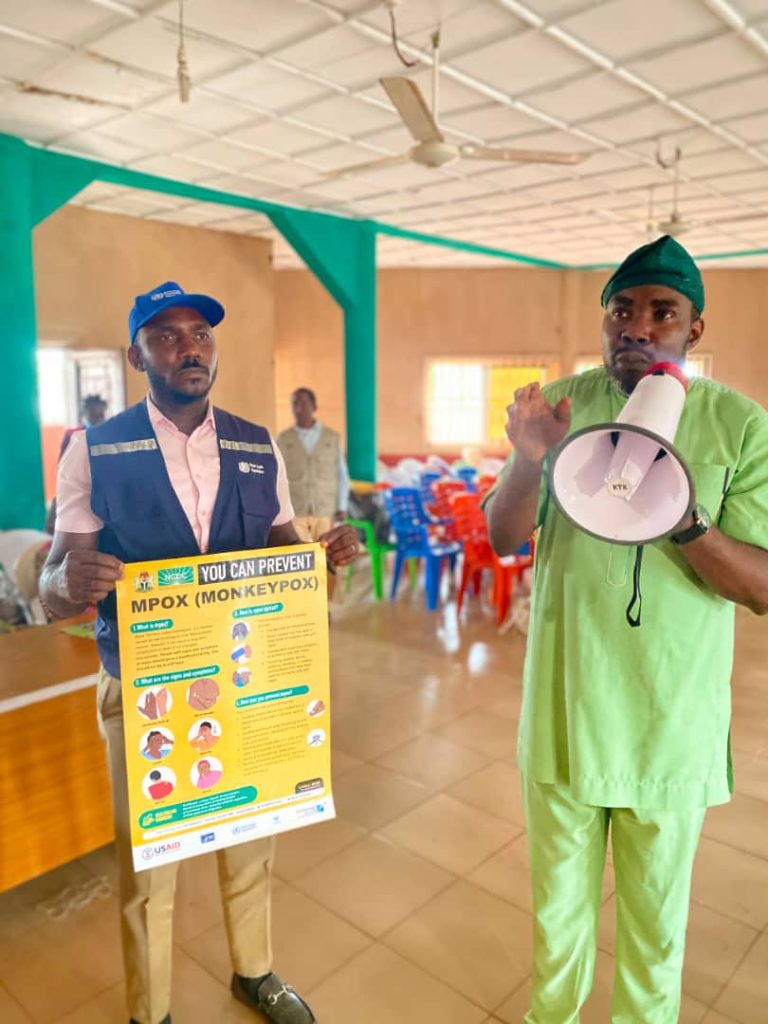
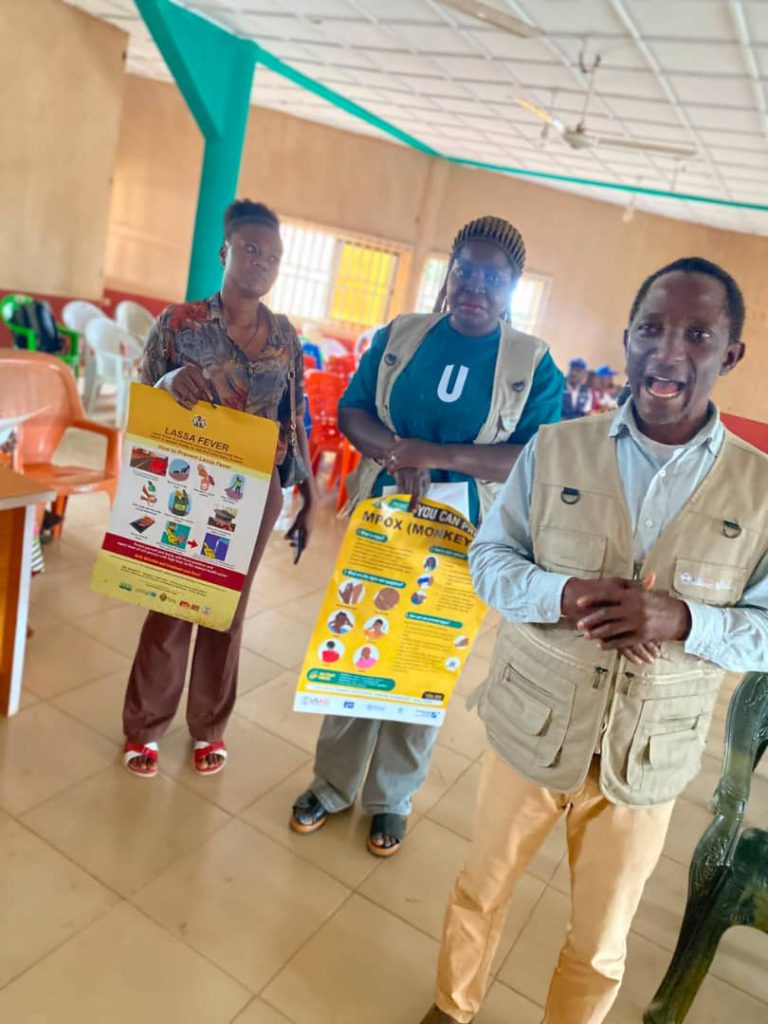
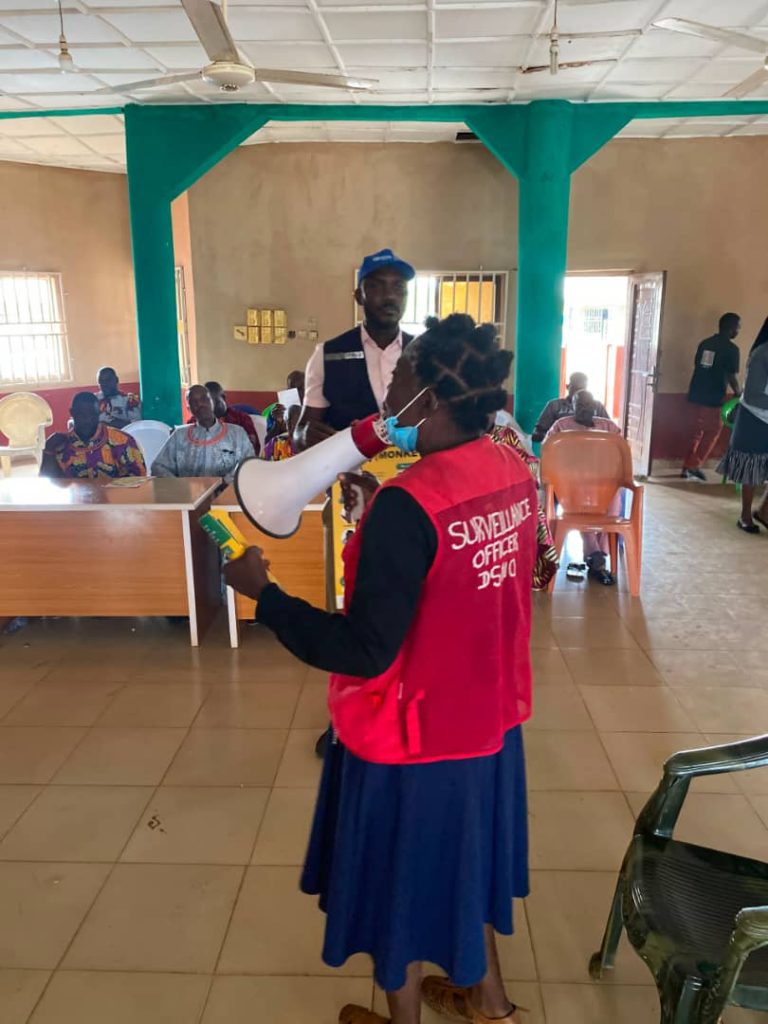
The delegation also appealed to the traditional institution to use its influence to mobilize residents, support community surveillance, promote early health-seeking behavior, and ensure that accurate information about MPOX reaches communities across the Local Government Area.
The health officials further urged the traditional leaders to help address fear, misinformation, and discrimination against people suspected of having the disease. They explained that early reporting and proper medical care are important in preventing further spread and protecting the wider community.
Responding, the Iyase of Udo, HRH Chief Patrick Igbinedu, and members of the Traditional Council welcomed the delegation and commended the Edo State Government and its health partners for their efforts to protect the lives and well-being of residents.
The traditional leadership pledged to support the MPOX outbreak response by mobilizing community members for awareness and prevention activities, encouraging prompt reporting of suspected cases, supporting community surveillance, and discouraging rumors, misinformation, and stigma.
They also promised to promote compliance with public health guidelines and work closely with the Ovia South West LGA Health Team throughout the outbreak response.